Resilience begins with foresight, a network and a clear understanding of global dynamics.
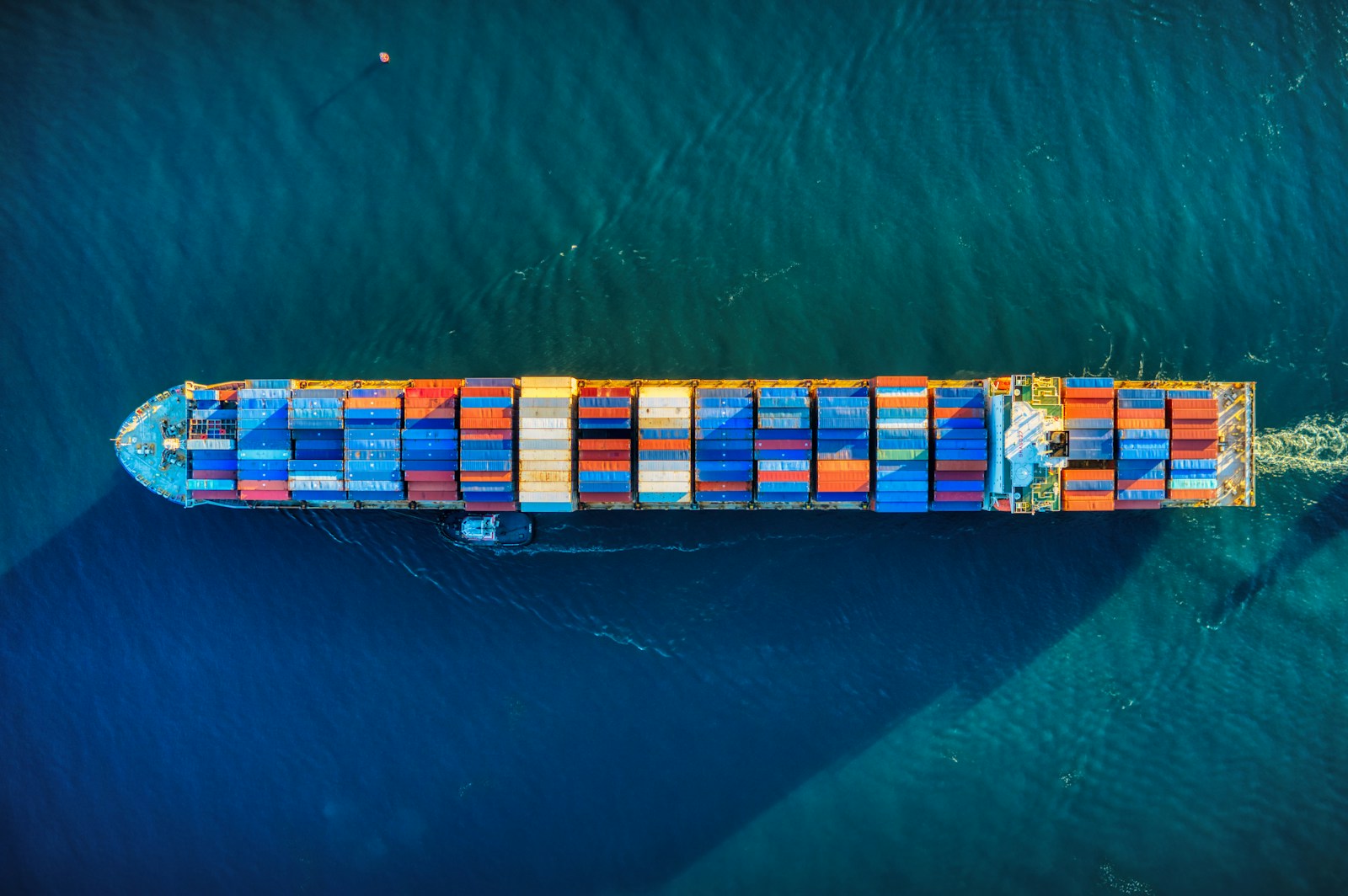
The world remains on the move. Supply chains are more fragile than ever, markets react sensitively to political decisions and economic stability can no longer be taken for granted. Today's business leaders are faced with the challenge of making their organization not only efficient but also resilient.
This is because geopolitical tensions - from trade conflicts and regional instability to currency fluctuations - have a direct impact on strategic decisions. Whether production, financing or market access: only those who are prepared can act rather than react.
Global uncertainty is no longer a state of emergency
Whether China-USA, Ukraine-Russia, the Middle East or new alliances in the Pacific region - geopolitical developments have long affected every internationally active company. Supply chains often break unexpectedly and market conditions change within a matter of weeks.
The time of predictable globalization is over. Today, companies need more than just a plan B. They need a strategic environment that recognizes change early on and actively shapes it.
What distinguishes resilient companies
Networked thinking instead of isolated optimization
Companies that are networked with international partners benefit from early indicators, first-hand information and access to alternatives before others even realize it.
Diversified structures and markets
Those with a broader geographical base minimize systemic risks. Local representative offices, alternative production sites and different sales markets ensure greater stability in uncertain times.
Fast decision-making processes through clear leadership
In complex situations, it is not hierarchy that helps, but clarity. Companies with a strategic focus and capable leadership make better decisions - faster and in a more targeted manner.
Strategies that work
Swiss Family Relations helps companies to develop precisely this resilience. Not with standard solutions, but with individual strategies, international network access and strong partners in 28 major cities worldwide. We don't think in terms of crises, but in terms of opportunities - and make growth possible even under complex conditions.
Our approach combines capital, structure and relationships - and creates systems that are sustainable. Not just today, but in the future.
Conclusion: Uncertainty cannot be avoided, but it can be strategically managed
Those who face up to global realities not only safeguard the present, but also lay the foundations for sustainable business success. Resilience does not begin with the reaction, but with the strategic orientation.